DC In Media
Initiatives like Zeekr Power can help close EV charging gap, says experts
August 25, 2026
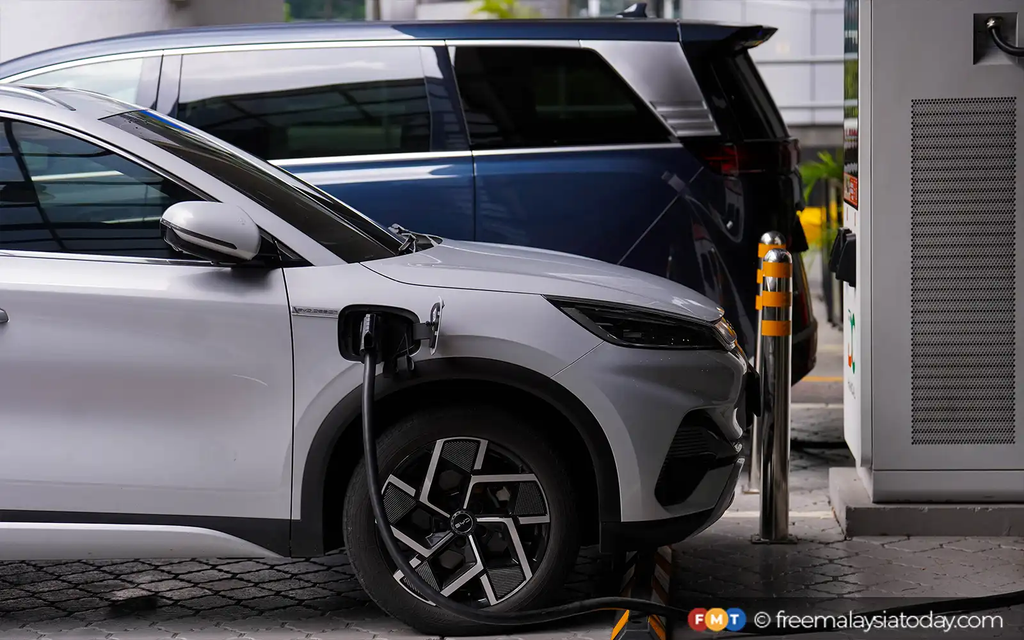
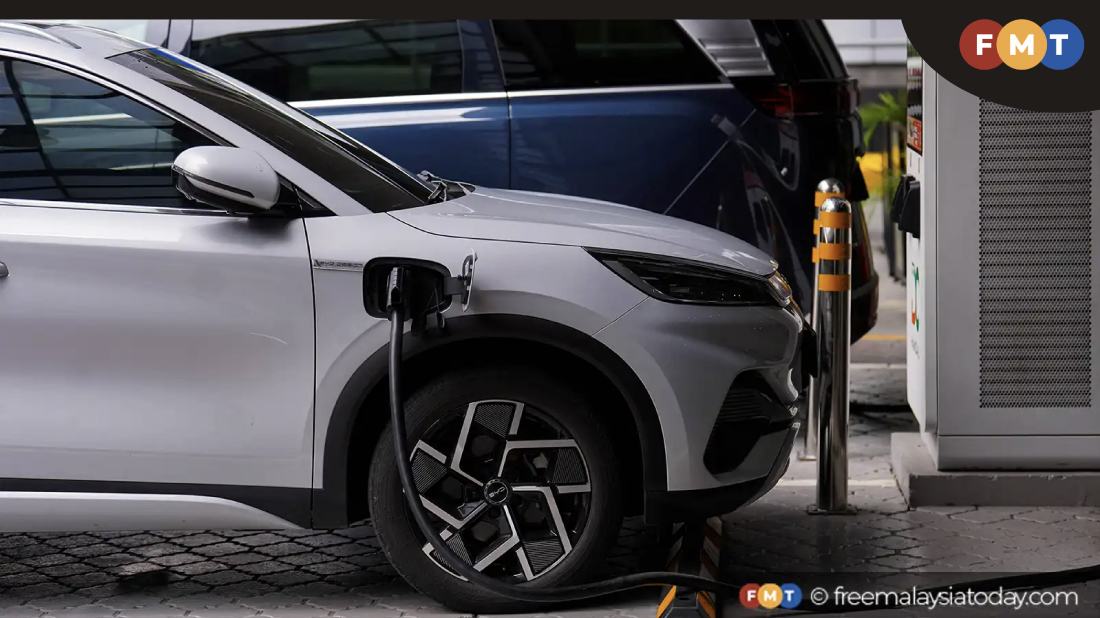
PETALING JAYA: Zeekr Malaysia’s plan to establish 30 Zeekr Power charging stations nationwide over the next three years is the kind of private-sector initiative that can help narrow Malaysia’s EV infrastructure gap, say experts.
Federation of Malaysia Electric Vehicle Associations president Jason Lee and transport expert Wan Agyl Wan Hassan said greater investment in charging facilities was needed as infrastructure has struggled to keep pace with the growing number of EVs on Malaysian roads.
Lee said automakers could play a bigger role by investing in charging infrastructure rather than relying solely on charge point operators or the government.
He added that Zeekr should follow through on its commitment and ensure all 30 planned stations are built.

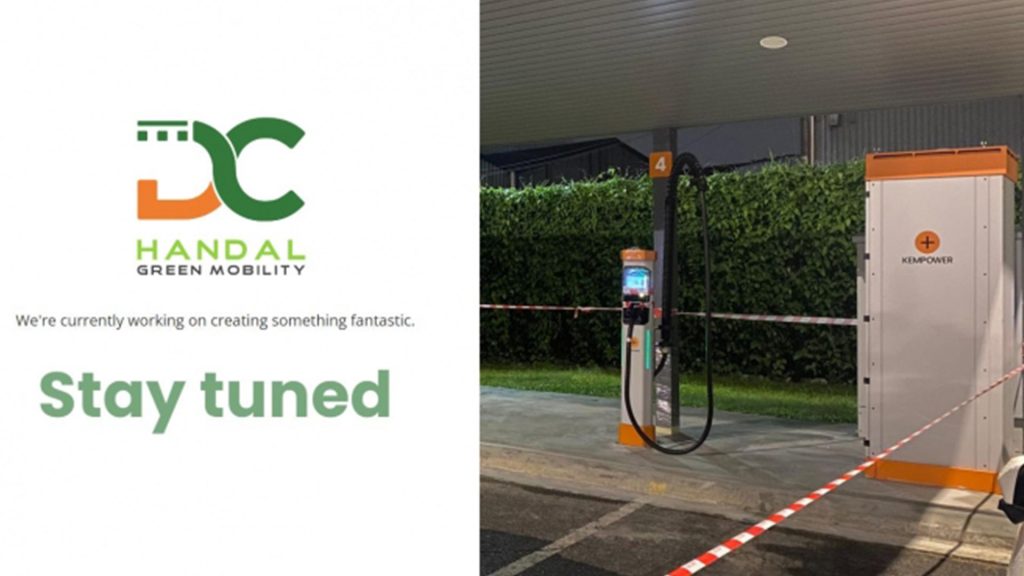
Wan Agyl said Zeekr Power’s collaboration with local charge point operator DC Handal was one model worth considering.
Rather than build separate networks, he said automakers could work with established operators and focus investments on strategic locations.
“This type of collaboration deserves consideration. What we should avoid is ending up with 10 automotive brands creating 10 separate charging islands”, he told FMT.
Under its three-year plan, Zeekr Malaysia aims to establish 30 Zeekr Power stations nationwide.
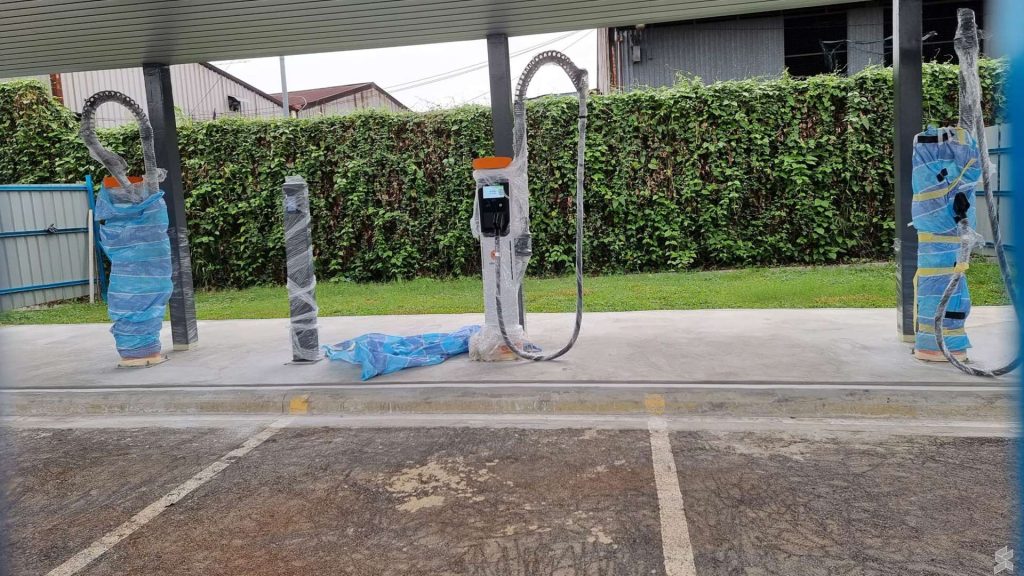
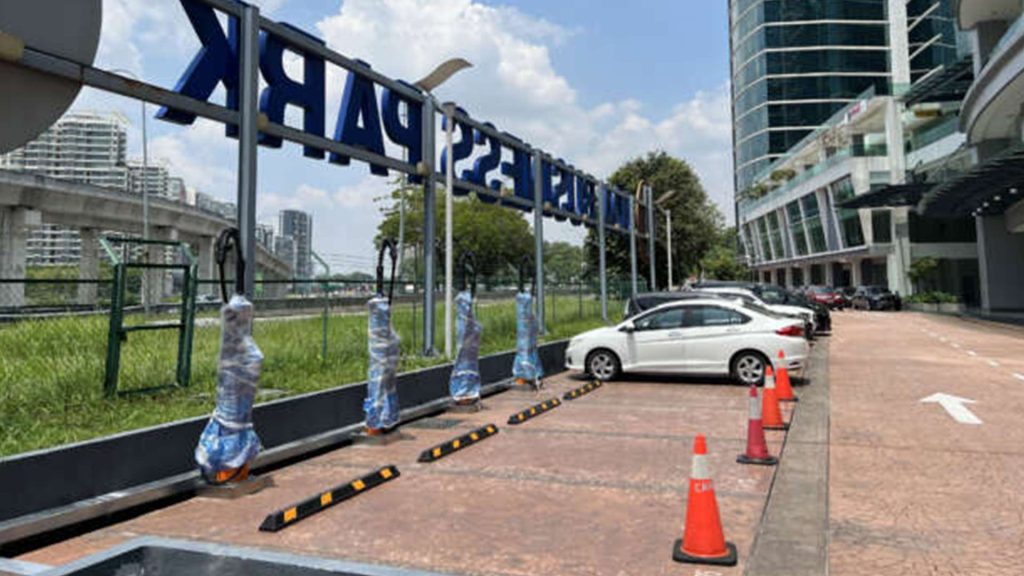
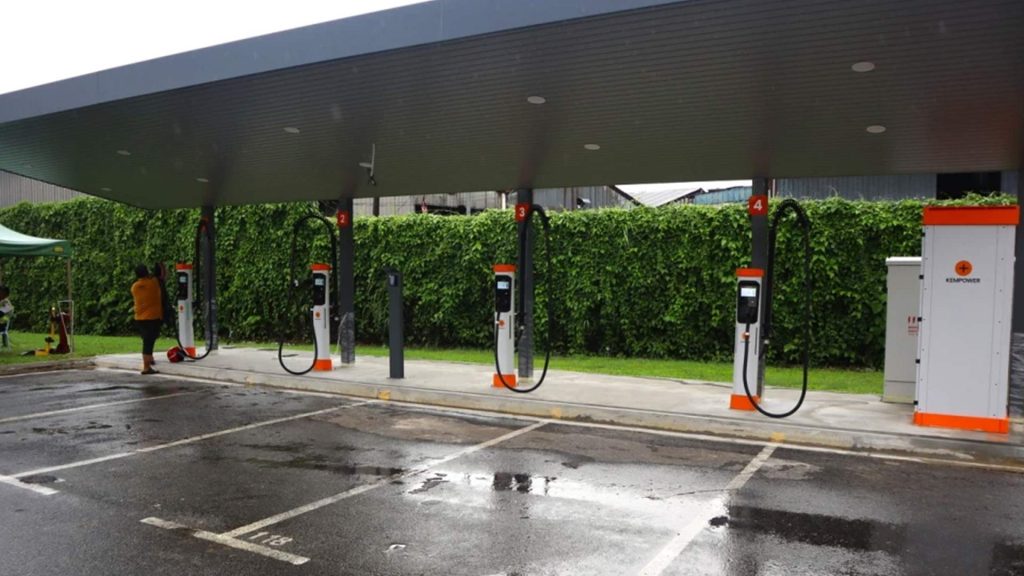
Its initial collaboration with DC Handal will involve seven stations along the North-South Expressway, with at least two charging points at each location and a minimum output of 120kW.
The rollout comes as Malaysia seeks to accelerate its charging network, having fallen short of an earlier target of 10,000 charging stations by the end of 2025.
There were 5,624 charging stations nationwide as of Dec 31, 2025, according to the Malaysia Automotive Robotics and IoT Insistitute.
As of May 31, the number has risen to 6,416, comprising 2,143 DC fast chargers and 4,273 AC chargers, against the government’s new target of 30,000 by 2030.
Investment, trade and industry minister Johari Ghani said recently that charging infrastructure must grow in tandem with EV adoption, warning that inadequate facilities could affect consumer confidence.
Wan Agyl agreed with Johari but said the issue was not just the total number of chargers.
“A 22kW AC charger at a shopping mall serves a different purpose from a 150kW or 300kW DC charger on an interstate corridor.
“Location, charging speed, uptime, grid capacity and availability during peak periods matter as much as the total number,” he said.
Wan Agyl said slower AC chargers were more suitable for locations where vehicles would parked for longer periods, while high-powered DC chargers were more important along highways where motorists needed to recharge quickly and resume their journeys.
He said gaps in the network would be most apparent during peak travel periods, when demand could overwhelm available chargers.
Wan Agyl said the concern was increasingly shifting from “range anxiety” to “charging certainty” – whether a charger was available, operational and accessible without a long wait.